


In most cases, yes. Your employer can fire you for calling in sick too often, especially in states that follow at will employment rules. Still, there are situations where sick time is protected, and the details matter.
The basic rule in simple terms
Most jobs in the US are at will. That means an employer can usually let someone go for almost any reason, or even no reason at all.
If you miss work a lot because you are sick, your employer may see that as an attendance problem. This is more likely if your absences affect your work or break company rules.
Why company sick leave rules matter
Many workplaces have clear rules about sick days and attendance. These rules often say how many sick days you can take and what happens if you go over that limit.
If you use more sick days than allowed, your employer may discipline you or fire you. This can happen even if you were actually sick each time.
When calling in sick is more protected
Some types of sick leave are protected by law. In these cases, firing someone for taking time off may be illegal.
Examples of protected situations can include:
- Serious health conditions covered by law
- Approved medical leave
- Sick time required by state law
- Absences tied to pregnancy or disability
Protection depends on the law and whether you followed the required process.
Federal laws that may protect you
Certain federal laws can limit when an employer can fire you for being sick. Some medical conditions may qualify for protected leave.
These protections usually require advance notice and paperwork. Just calling in sick without approval may not be enough.
State laws can change the rules
State laws play a big role in sick leave rights. Some states require paid sick leave and limit how employers can punish workers for using it.
Other states offer very little protection. Because of this, what is allowed in one state may not be allowed in another.
Attendance patterns can raise red flags
Employers often look at patterns, not just individual sick days. Even real illnesses can raise concerns if they happen often.
Examples that may cause problems include:
- Calling out sick often without a doctor note
- Frequent last minute call outs
- Absences that disrupt work or staffing
The pattern can matter as much as the reason.
Medical proof can help
A doctor note or medical paperwork can sometimes help protect your job. Some employers require documentation after a certain number of sick days.
While this does not guarantee protection, it shows your absences were legitimate.
When firing may be illegal
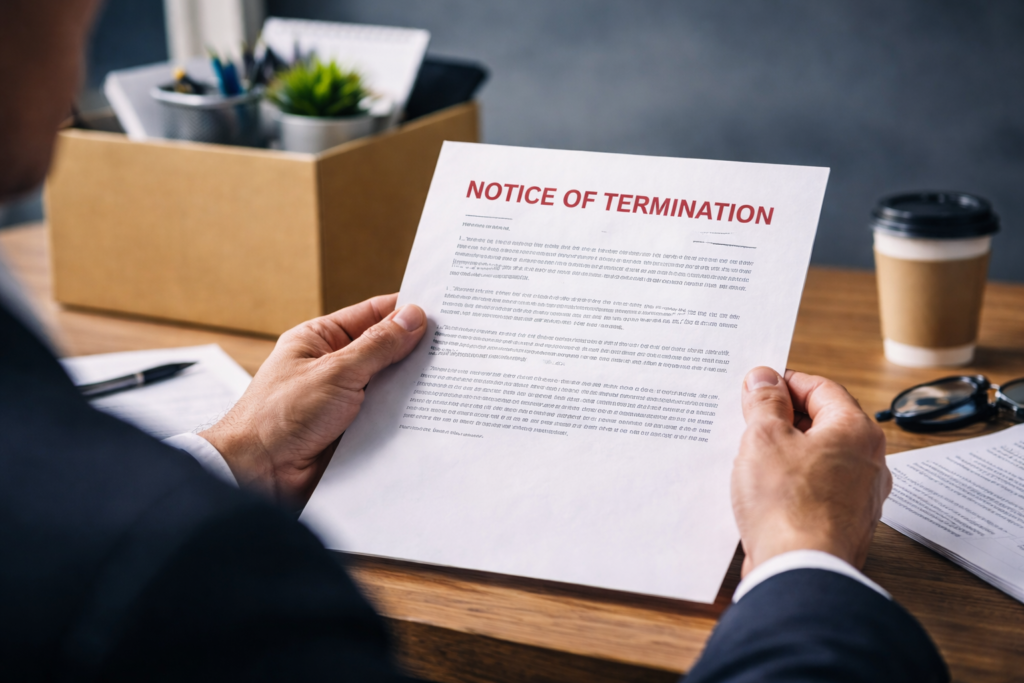
An employer generally cannot fire you for a discriminatory reason. If your sick time is tied to a protected condition, firing you may break the law.
This can include cases involving disability, pregnancy, or retaliation for using protected leave. These situations depend heavily on the facts.
Will your employer warn you first
Many employers give warnings before firing someone for attendance issues. This is common but not always required.
Some companies use step by step discipline. Others may move faster, depending on their policies.
What to do if you are concerned
If you are calling in sick often and worried about your job, these steps may help:
- Read your employee handbook
- Track your sick days and reasons
- Ask about medical leave options
- Check your state sick leave laws
Clear communication can sometimes prevent bigger problems. Knowing the rules helps you make better decisions.
